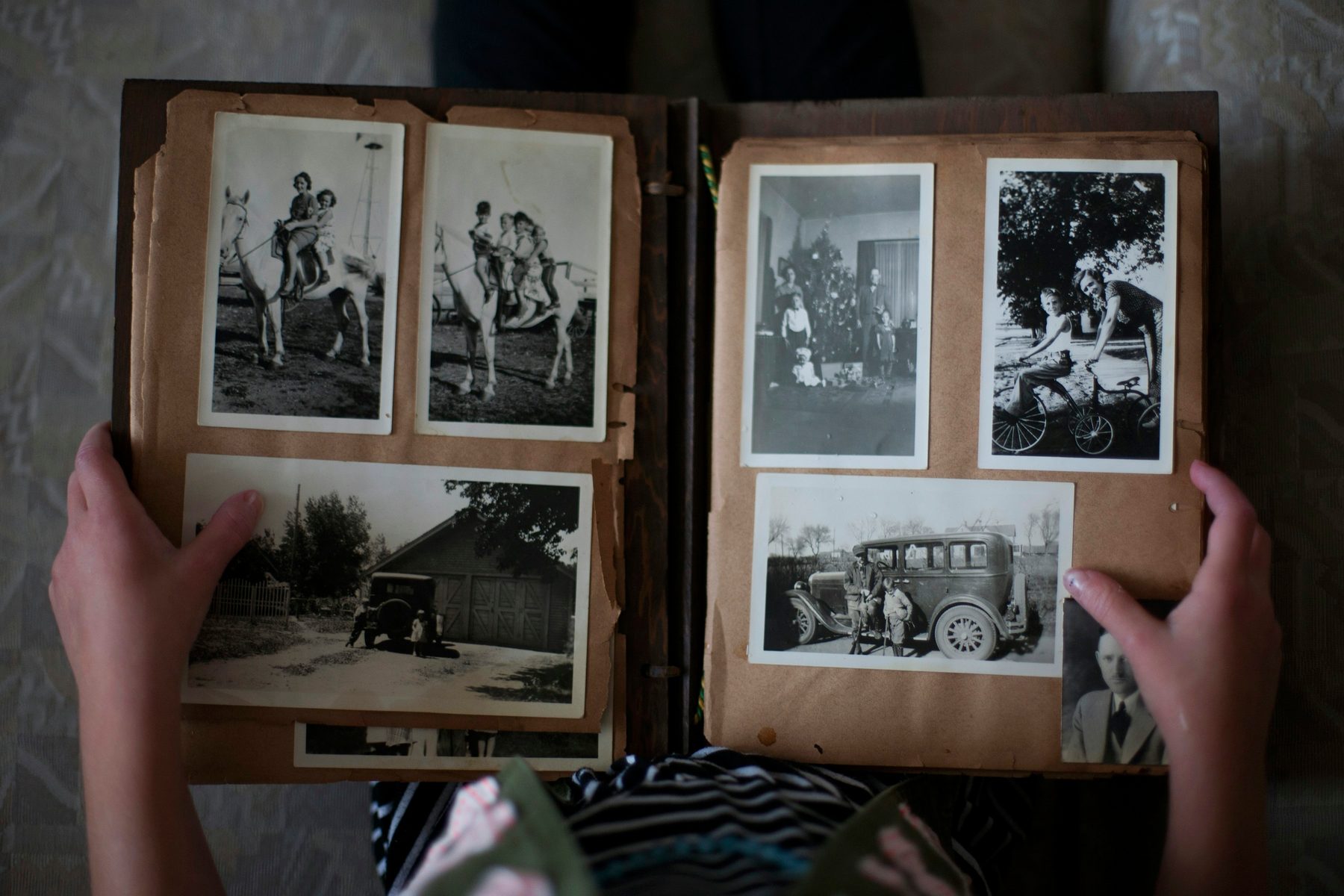
A study team looking at an inherited condition will often ask about your parents, siblings and grandparents. A short written family history makes that conversation easier and more accurate. This guide covers who to ask, what to note and how to handle the parts you cannot fill in.
Why one written page saves time
When a researcher or genetic counselor asks about your family, details are easy to forget on the spot. A page you put together beforehand lets you answer clearly and shows the pattern of a condition at a glance. It can also help your own doctor, even if you never contact a study at all.
Treat the page as a working draft rather than a finished record. You can add to it as relatives share more, correct it when a story turns out to be wrong and keep it somewhere easy to find. Nobody expects it to be complete, and even a few lines about parents and grandparents can be a useful start.
Relatives worth including
Start with the people closest to you by blood and work outward. Relatives by marriage do not share your genes, so they matter less for an inherited condition, though a parent’s spouse may still remember useful details about the family. Aim for the following where you can:
- Your parents, brothers and sisters, including half siblings
- Your children, if you have any
- Grandparents on both sides
- Aunts, uncles and first cousins on both sides
- Any relative known to have one of the conditions you are reading about
What to write next to each name
For each person, note any long-term health condition, roughly when it started in words such as childhood, early thirties or late in life, and how it was managed if you know. For relatives who have died, note the cause if anyone knows it and roughly how old they were. Heart attacks, strokes, kidney trouble, liver problems and lung conditions are all worth writing down.
Mark which side of the family each person is on, since inherited conditions usually follow one line. Write where a detail came from too, such as an aunt’s memory or an old letter, so you can check it later. A simple sketch of the family tree, with names in boxes and lines between generations, often makes the pattern easier to see.
When some answers are missing
Almost every family history has gaps. A relative may have died young, lost touch with the family or never talked about their health. Write unknown rather than guessing, and note anything you have heard even if it is uncertain. A study team or genetic counselor is used to working with partial information.
Asking relatives can feel awkward, especially about a parent or grandparent who has died. A simple explanation helps, such as saying you are learning about a condition in the family and would value anything they remember. Some may prefer not to answer, and that choice deserves respect. You can always come back to the question another time.
Adoption, donors and the gaps nobody can fill
People who were adopted or conceived with donor egg or sperm may have little or no information about their genetic relatives. That does not shut you out of learning about research. Write down what you do know, including anything from adoption or clinic paperwork, and mention the gap when you speak to a study team or counselor.
Some studies do not need a family history at all, and others use a genetic test in its place. The team can tell you which applies to their study and how they work with people whose family background is unknown. Your own doctor or a genetic counselor can also help you think about what you might want to find out.
In short
- A short written family history makes conversations with a study team clearer.
- Focus on blood relatives, from parents and siblings out to cousins.
- For each person, note conditions, roughly when they began and, where known, causes of death.
- Gaps are normal; write unknown rather than guessing.
- Adoption or donor conception leaves gaps too, and study teams are used to that.