Familial hypercholesterolemia
Inherited high cholesterol
Familial hypercholesterolemia research asks how to lower cholesterol that has been high since birth.
Familial hypercholesterolemia often shows up first as a cholesterol result out of step with a healthy life, or as heart trouble in a parent at a young age. This page covers what studies of it try out, the checks they make, and how relatives come into the research.
One changed copy from either parent
In familial hypercholesterolemia, a changed gene stops the liver from clearing LDL cholesterol out of the blood as it should. Levels run high from the first years of life, even in children who eat well and stay active. Many people feel nothing at all. Some notice small fatty bumps on the tendons of the hands or heels, or a pale ring around the colored part of the eye.
Because each child of a parent with it has a half chance of inheriting the change, it tends to show up as a pattern: a grandfather with an early heart attack, an aunt on cholesterol tablets since her twenties, a cousin told their numbers were unusual. Once one person is found, doctors often suggest checking parents, siblings and children. Daily care usually means lifelong medicine alongside food choices.
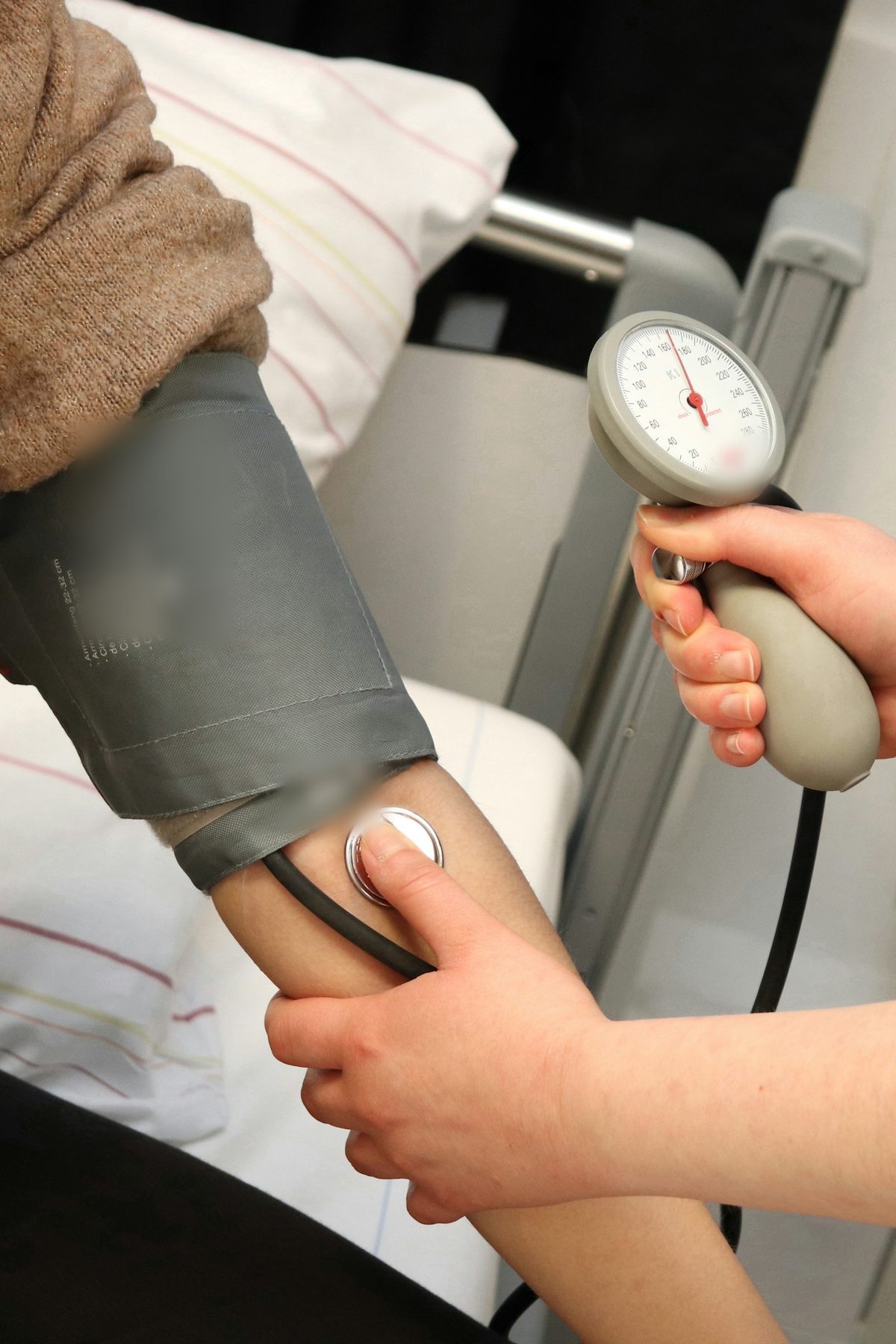
What research on familial hypercholesterolemia is still trying to learn
Medicines bring LDL cholesterol down for most people with familial hypercholesterolemia, yet many still do not reach the level their doctor aims for, and some cannot take the usual tablets. Researchers want to know how early treatment should begin in children, what works for the rarer form inherited from both parents, and why so many families go years without anyone knowing. Some groups are testing ways to change how the liver handles cholesterol for longer stretches.
What studies try out
- Medicines taken less oftenInjections or other forms given every few weeks or months, set against tablets taken daily.
- Starting treatment in childhoodWhen children who carry the change should begin medicine, and how growth and school life go alongside it.
- Adding a second medicineCombining kinds of cholesterol medicine for people whose levels stay high on one alone.
- Gene-based approachesEarly work on switching off or editing the instructions that keep cholesterol high, usually tried in small groups first.
- Reaching relativesWays to contact the parents, siblings and children of someone found to have it, so they can choose whether to be tested.
Checks a study may make
| Check | What it shows the study team |
|---|---|
| A cholesterol blood test | A sample, sometimes taken after a fast, measures LDL and other fats in the blood, often more than once. |
| A genetic test | A blood or saliva sample looks for the gene change, if you have not had one already. |
| Artery scans | An ultrasound of the neck arteries or a heart scan shows whether cholesterol has settled in the artery walls. |
| Questions on food and routine | Forms about what you usually eat, how active you are and how daily medicine fits into your life. |
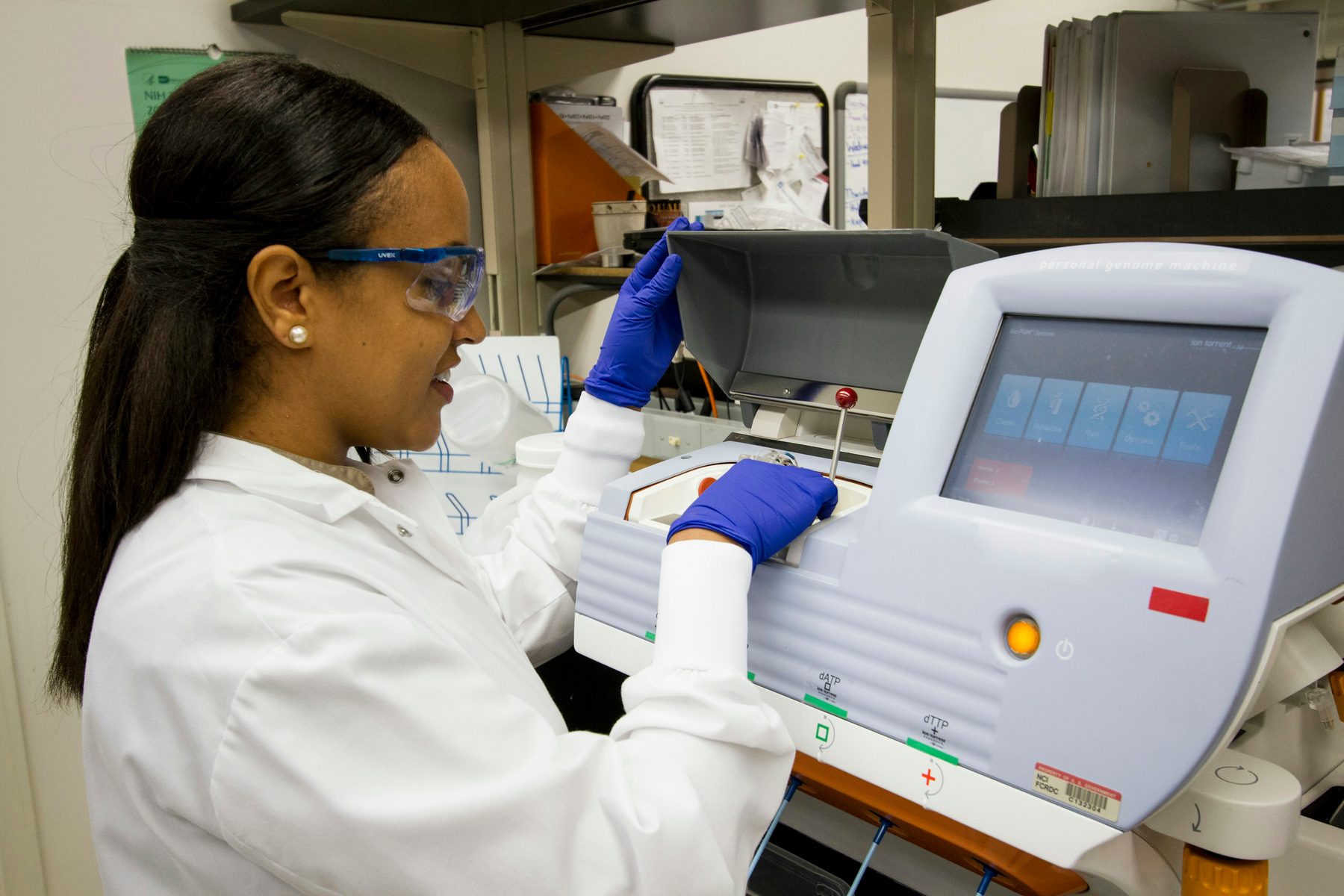
Relatives, family history and genetic results
Studies of familial hypercholesterolemia often begin with your family tree. A team may ask whether a parent, grandparent, brother or sister had high cholesterol or heart trouble at a young age. Some studies need a genetic result showing the change, and may offer the test if you have not had it. Others are open to relatives who carry the change but feel well. Whether to be tested is your choice, and a genetic counselor can help you think it through.
Your usual care while you take part
Keep taking the cholesterol medicine your own doctor prescribed unless your doctor and the study team agree on something else. The team will likely ask for a list of every medicine and supplement you take, including fish oil and anything bought over the counter. Any change to a dose, or a pause, is a decision for your own doctor or heart specialist, never one to make alone.
Questions for the study team, before you agree
- Do I need a genetic result before I can take part, or will the study test me?
- Will I keep taking my current cholesterol medicine during the study?
- Can my children or siblings who carry the change take part too?
- Will I need to fast before each cholesterol sample?
- LDL cholesterol
- The kind of cholesterol that can build up in artery walls over time. People with this condition carry high levels of it from birth.
- Xanthoma
- A small, firm, fatty lump under the skin or on a tendon, often on the knuckles, elbows or the back of the heel.
- Cascade testing
- Offering a test to the close relatives of someone found to have an inherited condition, one branch of the family at a time.
Asked about familial hypercholesterolemia
Not always. High cholesterol has many causes, and most people with high levels do not have the inherited form. Doctors look at how high your LDL is, whether close relatives had high cholesterol or early heart trouble, signs such as fatty lumps on the tendons and, sometimes, a genetic test. Your own doctor is the person to ask whether it is worth looking into for you.
Some studies are designed for children and teenagers who carry the change, because cholesterol starts building up in the arteries early in life. A parent or guardian agrees on the child’s behalf, and the child is asked too, in words that fit their age. Other studies are only for grown people. Each study sets its own rules, so the team running it can tell you whether it includes young people.
It depends on the study. Some ask for a genetic result that shows the change, and some arrange the test as part of taking part. Others use your cholesterol level and family history instead. A genetic result can matter to your relatives as well as to you, so many people talk it over with a genetic counselor first. Whether you are tested is a decision that belongs to you alone.
You contact the study team yourself, using the details the study gives. Elveo Clinical does not hold places, sign anyone up or send your name, number or family history to any study. When you reach the team, they explain what taking part involves and decide whether you can join. You can ask as many questions as you like before saying yes, and you can decide not to go ahead.