Guides for families
Six guides on the parts of research that are particular to inherited conditions: genetic tests, family history, stored samples, relatives and carrying a gene while you feel well.

Why researchers study conditions that pass through families
When a condition runs in a family, the same gene change can be traced through parents, children and cousins. That gives researchers something rare: a way to see how a condition begins, how it differs between relatives and what might act on its cause. This guide explains why inherited conditions draw so much research attention.
What happens when a study includes a genetic test
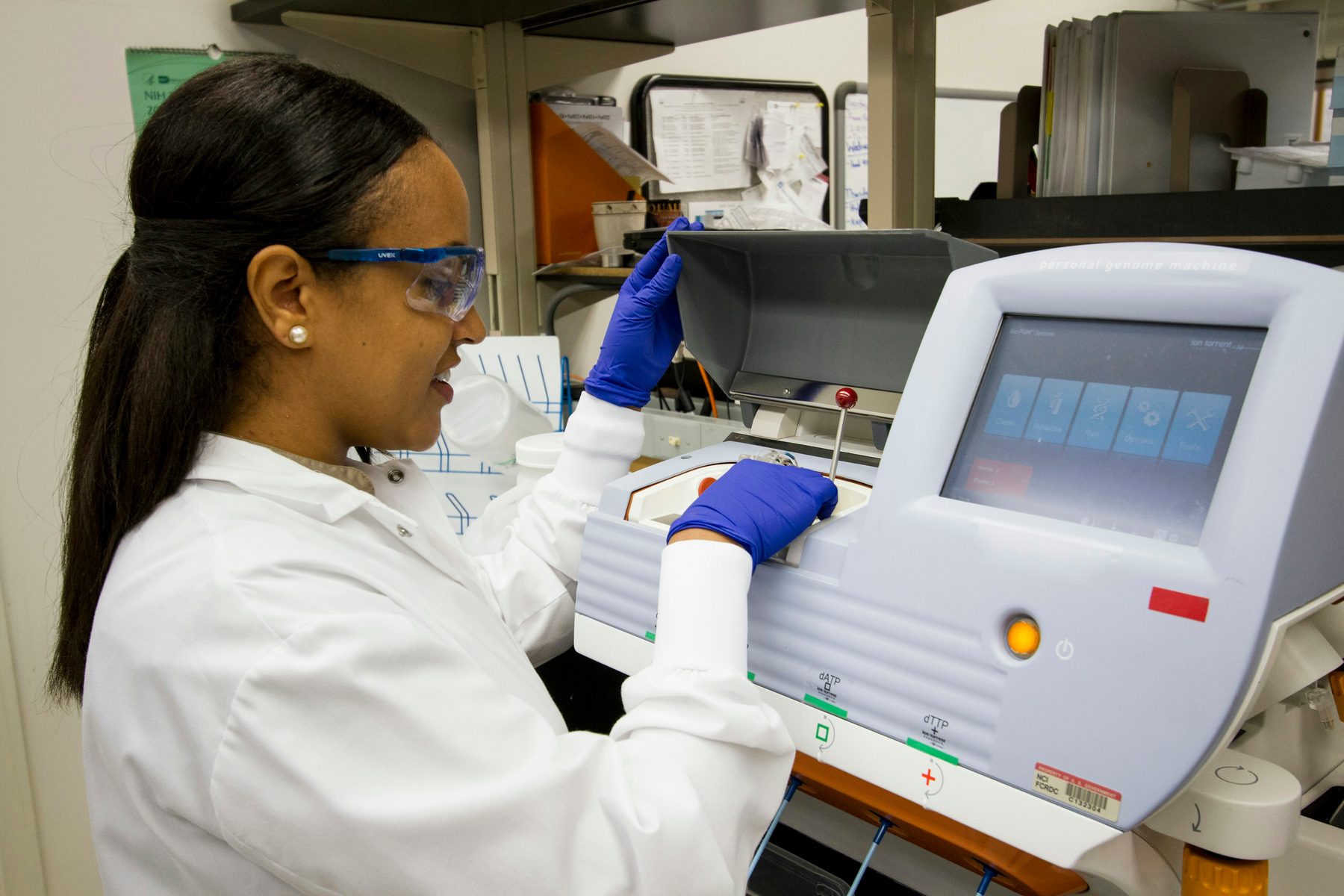
Many studies on inherited conditions ask for a sample so the team can look at your genes. Knowing what the test checks, how the sample is taken and whether you will hear the result helps you decide calmly. Being tested is always a personal choice, and you can ask every question before you say yes.

Writing down your family health history before you ask about a study
A study team looking at an inherited condition will often ask about your parents, siblings and grandparents. A short written family history makes that conversation easier and more accurate. This guide covers who to ask, what to note and how to handle the parts you cannot fill in.

What becomes of your blood or DNA sample afterward
A sample of blood, saliva or DNA can be useful long after the study that collected it has ended. Many studies store samples so that later research can use them. Knowing how storage works and what choices you may have helps you agree to only what feels right to you.

When more than one person in a family takes part
Research on inherited conditions often looks at families rather than single people. That can mean a parent and child joining together, or a study team hoping to hear from brothers and sisters. This guide covers family studies, how to mention a study to relatives and what to do when relatives choose differently.

Carrying a gene change while you still feel well
Some people know they carry a gene change linked to an inherited condition yet have no symptoms at all. Others carry one changed copy of a gene for a condition that needs two. Research is interested in both groups, and this guide explains why, along with the choices involved.