Hereditary hemochromatosis
Iron overload
Hereditary hemochromatosis research looks at why stored iron harms some people and spares others.
Hereditary hemochromatosis is often found through a routine blood test showing high iron, or after a brother or sister is diagnosed. Below you can read what iron overload studies try out, the blood tests and scans a team relies on, and how family results come in.
A changed copy from each parent
In hereditary hemochromatosis, the gut absorbs more iron from food than the body can use, and the body has no natural way to get rid of the extra. Over many years it collects in the liver, heart, pancreas, joints and skin. Early on most people feel well. Later, some notice deep tiredness, aching knuckles, a darker skin tone or trouble with blood sugar. Men often show signs sooner than women.
Many people find out only after a routine blood test, and some who carry two changed copies never build up much iron at all. Treatment is usually simple: removing blood at a clinic, much like giving blood, often at first to bring iron down, then less often to keep it down. People often wonder which relatives should be checked and whether they need to avoid certain foods.
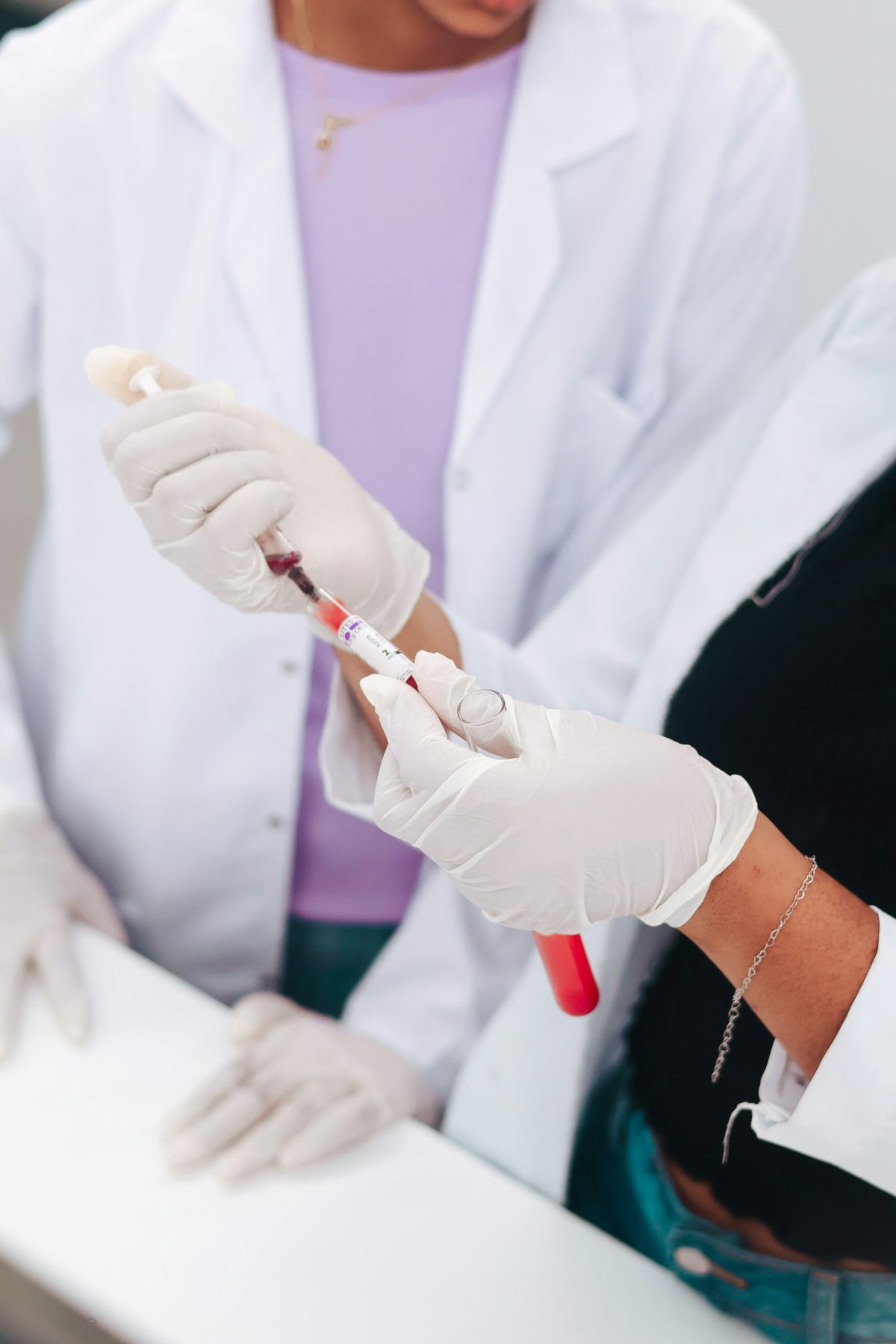
What research on hereditary hemochromatosis is still trying to learn
Doctors still cannot say why some people with two changed copies develop serious iron overload while a brother or sister with the same result stays well. Researchers are studying the hormone that controls how much iron the gut takes in, whether medicines could reduce the need for regular blood removal, how often treatment is really needed, and how to spot liver scarring early without a biopsy.
What studies try out
- Blood removal schedulesHow often blood should be taken, and what iron level to aim for, to protect the organs without wearing people out.
- The iron-control hormoneMedicines that copy or boost the body’s own signal telling the gut to take in less iron.
- Tablets that bind ironMedicines that latch onto iron so the body can pass it out, mostly for people who cannot have blood removed.
- Food and drinkWhether changes such as tea with meals or fewer iron-rich foods make a real difference alongside treatment.
- Liver health over timeWays to watch for and protect against liver scarring in people who had high iron for years.
Checks a study may make
| Check | What it shows the study team |
|---|---|
| Ferritin and iron saturation | Measures of stored iron and of how much iron is carried in the blood, repeated through the study. |
| A genetic test | A sample that looks for changed copies of the gene that controls iron uptake, if you have not had one. |
| Liver MRI or stiffness scan | An MRI that estimates iron in the liver, or an ultrasound-style scan that checks for scarring. |
| Questions on energy and joints | Forms about tiredness, joint pain and how you manage work and home. |
Relatives, family history and genetic results
Because hereditary hemochromatosis needs a changed copy from each parent, brothers and sisters of someone with it have the highest chance of having it too. A study may ask which relatives have had high iron or treatment, and whether your parents were ever tested. Some studies want a genetic result, while others include relatives who carry two copies but have normal iron. Testing is up to you, and a genetic counselor can explain what a result would mean for your children.
Your usual care while you take part
While you take part, your usual blood removal and any other treatment carry on unless your own doctor and the study team agree otherwise. Mention every tablet and supplement you take, especially iron, vitamin C and multivitamins, since they can affect iron levels. A study may ask about these more than once. Before you stop or change anything, check with your own doctor or the specialist who looks after your iron.
Questions for the study team, before you agree
- Will the study change how often I have blood removed?
- Do I need to have high iron right now to take part?
- Can my brother or sister, who has the same genetic result, join too?
- Will the study check my liver, and how?
- Ferritin
- A protein that stores iron. A blood test for it gives a rough idea of how much iron your body has put away.
- Phlebotomy
- Removing blood from a vein, in this case to lower the amount of iron in the body.
- Carrier
- Someone with one changed copy of the gene and one usual copy. Carriers rarely build up too much iron.
Asked about hereditary hemochromatosis
No. Many people with two changed copies never build up enough iron to cause harm, and some never know they have them. Others do, usually from midlife onward, and men more often than women. That uncertainty is one reason research continues. Regular iron blood tests, arranged by your own doctor, can show whether your levels are rising and whether treatment would help.
Each of your children inherits one copy of the gene from you, so they are at least carriers if you have two changed copies. Whether they could build up too much iron depends on what they inherit from their other parent as well. Many families wait until children are grown so each person can decide for themselves. A genetic counselor can lay out the choices for your family.
At first, blood is often removed every week or two until iron comes down, which can take months. After that, many people need it only a few times a year to keep levels steady. Each session is much like giving blood and usually takes under an hour. Your own doctor sets the schedule, and a study would explain whether it changes any part of it.
You speak to the study team directly. Each study lists its own way to get in touch, and you use it when you are ready. Elveo Clinical never passes on your details, your iron results or anything about your family. The team can tell you what visits and tests the study needs and whether it is open to you, and taking part is always your decision.